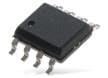


MCP2022P-330E/ST

Microchip Technology
579-MCP2022P330EST
MCP2022P-330E/ST

Fabr.:

Descripción:
Transceptores LIN LIN Transceiver with Vreg and LIN

Modelo ECAD:
Descargue el Cargador de bibliotecas gratuito para convertir este archivo para su herramienta ECAD. Obtenga más información del modelo ECAD.

Disponibilidad

Existencias:
No en almacén
Plazo de producción de fábrica:
Mínimo: 1   Múltiples: 1
Precio unitario:
-,-- €
Precio total:
-,-- €
Tarifa estimada:

Precio (EUR)

Cant. Precio unitario
Precio total
2,06 € 2,06 €
1,73 € 43,25 €
1,56 € 149,76 €

Atributo del producto Valor del atributo Seleccionar atributo
Microchip
Categoría de producto: Transceptores LIN
RoHS:  
18 V
6 V
115 uA
- 40 C
+ 125 C
SMD/SMT
TSSOP-14
Tube
Marca: Microchip Technology
País de ensamblaje: Not Available
País de difusión: Not Available
País de origen: TH
Voltaje operativo de suministro: 6 V to 18 V
Tipo de producto: LIN Transceivers
Serie: MCP2022
Cantidad del paquete de fábrica: 96
Subcategoría: Interface ICs
Peso unitario: 140,300 mg
Productos encontrados:
Para mostrar productos similares, seleccione al menos una casilla
Seleccione al menos una casilla para mostrar productos similares dentro de esta categoría.
Atributos seleccionados: 0

Esta funcionalidad requiere que JavaScript esté habilitado.

TARIC:
8542319000
CNHTS:
8542399000
CAHTS:
8542330000
USHTS:
8542390090
KRHTS:
8532331000
MXHTS:
8542310302
ECCN:
EAR99

MCP20xx LIN Transceivers

Microchip Technology MCP20xx LIN transceivers satisfy the stringent requirements of automotive manufacturers worldwide. The Microchip Technology MCP20xx AEC-Q100-certified devices are LIN 1.3, 2.0, 2.1 and SAE J2602 compliant and feature industry-leading ESD and EMC performance for reliable communication in extremely harsh environments. These Microchip Technology LIN transceivers boast current consumption ratings that are among the lowest in the LIN transceiver market, allowing for extended battery life and more efficient non-ignition-switched applications. The product line's EMC performance results in more robust designs that are less susceptible to system faults.