


2230-30-1

Keithley Instruments, Inc.
795-2230-30-1
2230-30-1

Fabr.:

Descripción:
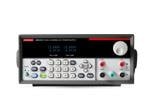
Power Supplies - Bench Top PROGRAMMABLE TRIPLE CHANNEL DC POWER SUPPLY

Actualmente Mouser no vende este producto en su región.

Disponibilidad

Existencias:

Atributo del producto Valor del atributo Seleccionar atributo
Keithley Instruments, Inc.
Categoría de producto: Fuentes de alimentación - Banco de pruebas
Restricción de entrega:
 Actualmente Mouser no vende este producto en su región.
RoHS:  
DC Power Supplies
Programmable
120 VAC, 240 VAC
3 Output
0 VDC to 30 VDC
0 A to 1.5 A
0 VDC to 30 VDC
0 A to 1.5 A
0 VDC to 6 VDC
0 A to 5 A
120 W
VFD
Marca: Keithley Instruments, Inc.
Tipo de cable: North American Power Cord Included
País de ensamblaje: Not Available
País de difusión: Not Available
País de origen: CN
Altura: 3.57 in
Longitud: 1.187 ft
Tipo de producto: Bench Top Power Supplies
Serie: 2230
Cantidad del paquete de fábrica: 1
Subcategoría: Power Supplies
Anchura: 8.55 in
Peso unitario: 9,653 kg
Productos encontrados:
Para mostrar productos similares, seleccione al menos una casilla
Seleccione al menos una casilla para mostrar productos similares dentro de esta categoría.
Atributos seleccionados: 0

TARIC:
8504408390
CAHTS:
8504409093
USHTS:
8504409520
KRHTS:
8504401090
ECCN:
EAR99

2200 Series Multi-channel DC Power Supplies

Keithley 2200 Series Multi-channel Programmable DC Power Supplies combine two and three channels of output power to cost-effectively characterize and test a wide range of devices, circuit boards, modules, and products that require more than one power source. The Model 2220-30-1 supply provides two channels, with each channel capable of outputting up to 30V and up to 1.5A. The Model 2230-30-1 includes two 30V/1.5A channels and adds a 6V channel with up to 5A output for powering digital circuits. Keithley 2200 Series Multi-channel Power Supplies offer an excellent combination of performance, versatility, and ease of use to maximize the information from characterization or test as quickly and as easily as possible. They perform as effectively in automated test systems as they do in manual instrument configurations.